
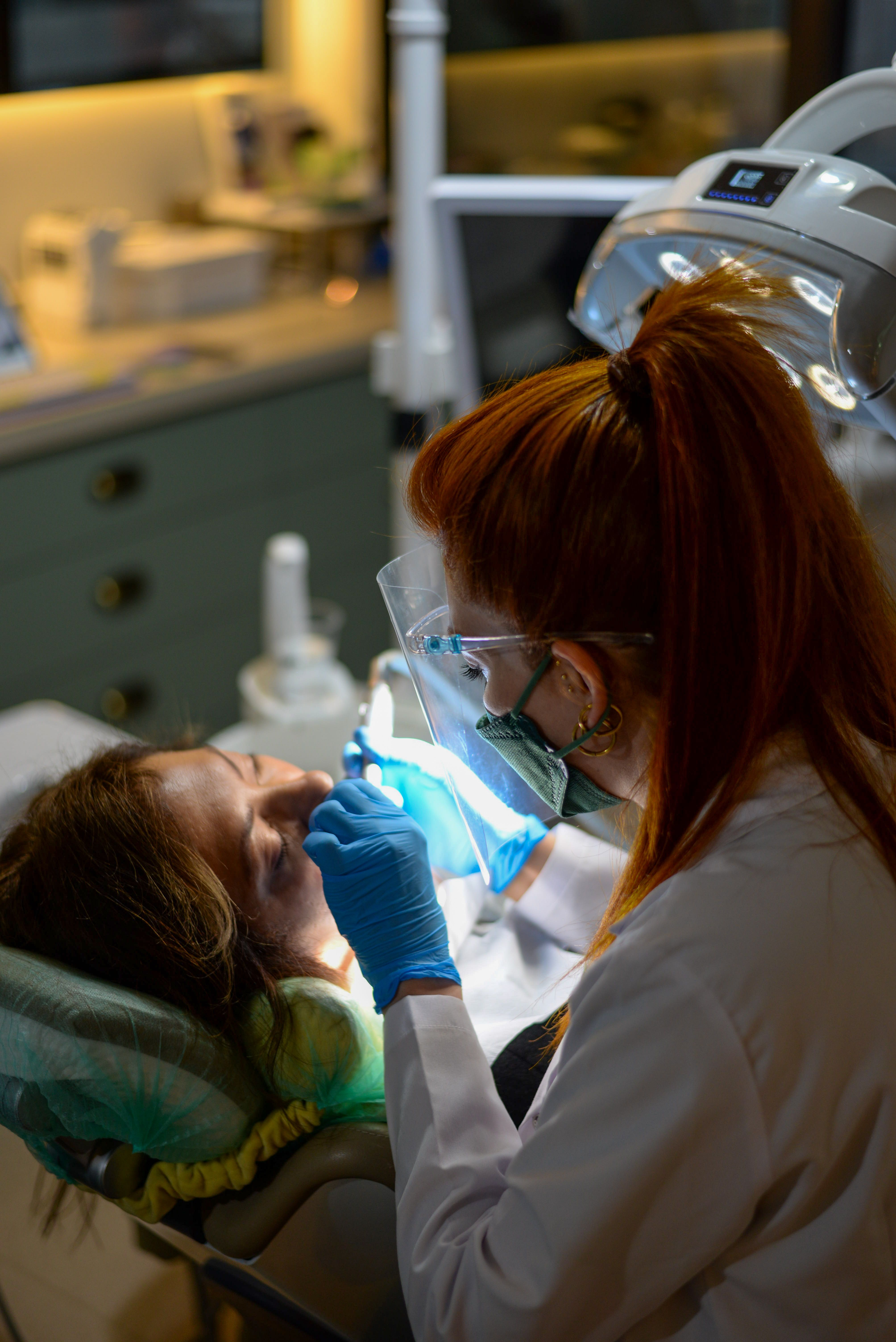
Dental implants have become one of the most reliable methods of replacing missing teeth. Unlike removable dentures, implants are placed directly into the jawbone and act as artificial tooth roots.
Most implants are made from titanium because of its excellent compatibility with human bone. After placement, the surrounding bone gradually grows around the implant in a process called osseointegration. Once sufficient healing occurs, a crown, bridge, or other prosthetic restoration can be attached.
Successful implant treatment depends on several factors, including bone quality, oral hygiene, treatment planning, and the patient's overall health. Radiographs and digital imaging are often used to assess the amount of available bone and determine the safest implant position.
For dental students, implant dentistry demonstrates how oral surgery, prosthodontics, periodontics, and radiology work together in modern clinical practice.


Comments (0)
No comments yet. Be the first to share your thoughts!